Comprehensive exploration of proteins, carbohydrates, and fats—their biochemical roles, physiological functions, and presence across diverse dietary patterns.
Macronutrients—proteins, carbohydrates, and fats—form the structural and functional basis of human nutrition. Each plays distinct roles in energy provision, tissue synthesis, and physiological regulation.
Amino acids that build and repair tissues, create enzymes and hormones, and support immune function. Primary sources vary globally across plant and animal sources.
Primary energy source for cells and brain. Include simple sugars and complex forms like starches and fiber. Found abundantly in grains, legumes, fruits, and vegetables.
Essential for hormone production, vitamin absorption, cell membranes, and energy storage. Diverse forms present in oils, nuts, seeds, and animal products across cultures.
Proteins consist of 20 amino acids arranged in various combinations. Nine are essential, meaning the body cannot synthesize them and must obtain them from food. Complete proteins contain all nine essential amino acids, while incomplete proteins lack one or more.
Protein requirements vary based on age, activity level, and body composition. The recommended dietary allowance provides a baseline, though individual needs differ substantially.
Animal sources include meat, poultry, fish, dairy, and eggs. Plant sources include legumes, nuts, seeds, and whole grains. Different cultures emphasize different protein sources reflecting local agriculture, tradition, and preference.
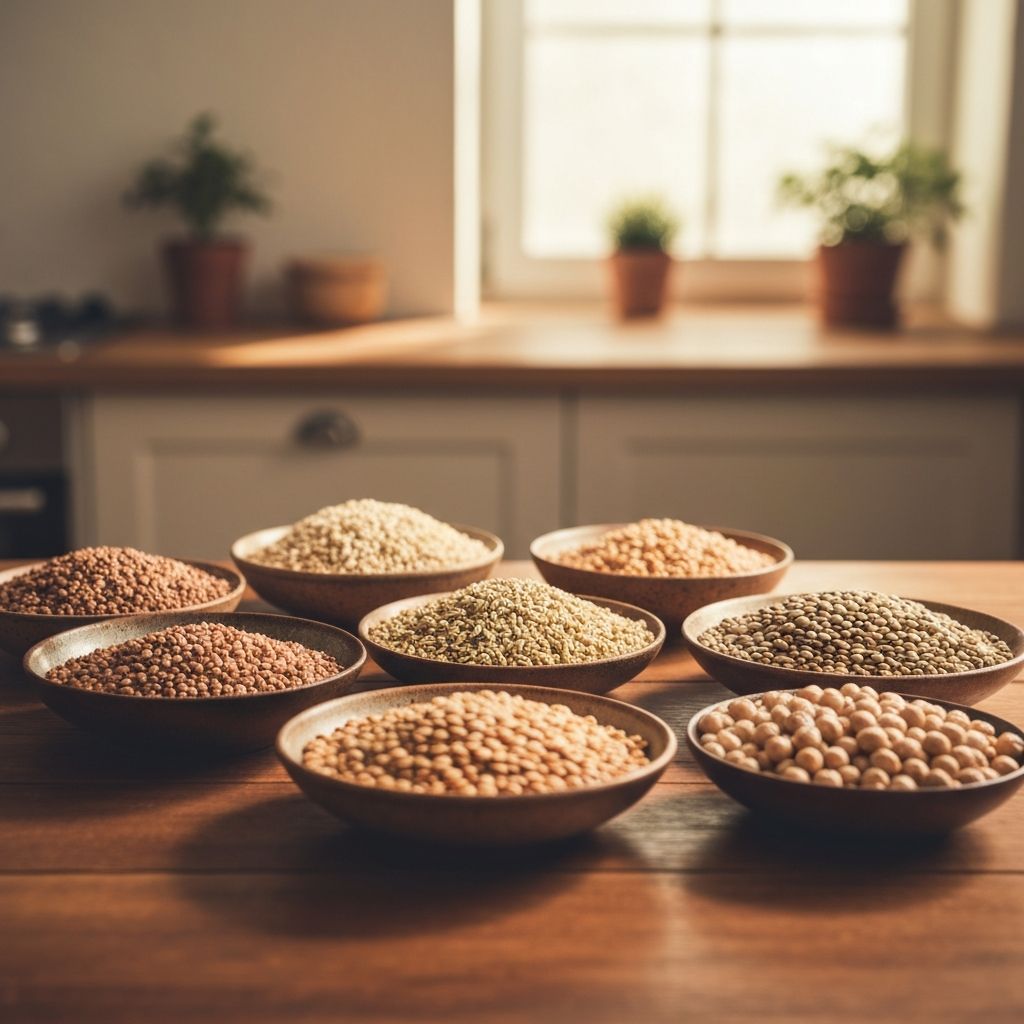
Carbohydrates provide 4 calories per gram and are classified as simple (sugars) or complex (starches and fiber). The distinction matters for glycemic response—how quickly blood glucose rises after consumption.
| Carbohydrate Type | Examples | Glycemic Response |
|---|---|---|
| Simple Sugars | Glucose, fructose, sucrose in fruits, honey | Rapid increase in blood glucose |
| Complex Starches | Grains, legumes, potatoes, root vegetables | Gradual, sustained glucose elevation |
| Dietary Fiber | Vegetables, fruits, whole grains, legumes | Minimal glucose impact; aids digestion |
Fats provide 9 calories per gram and serve as primary energy storage in the body. They are essential for absorption of fat-soluble vitamins (A, D, E, K) and hormone synthesis.
Different cultures and dietary approaches vary in their macronutrient proportions. Research indicates that multiple macronutrient distributions can support health when combined with overall healthy practices.
This article presents nutritional science for educational purposes. It explains macronutrient roles and sources but does not recommend specific macro distributions for individuals. Optimal macronutrient balance varies widely based on individual factors, genetics, activity level, and personal circumstances. This information provides context for broader wellness understanding, not personal dietary guidance.